AMPLIFICATION on Housing
AMPLIFY exists to help rebuild the broken promise to Australians. Nowhere is that more apparent than housing, where the promise of a secure and affordable home is increasingly out of reach.
AMPLIFY exists to help rebuild the broken promise to Australians. Nowhere is that more apparent than housing, where the promise of a secure and affordable home is increasingly out of reach.
Politics-as-usual has failed to fix it. There is resounding evidence from the community that we need bold reform to address Australia's housing crisis and help restore the promise.
AMPLIFY's mission to rebuild the promise to Australians of a fair and equitable country ensures communities are involved in the bold reforms we need to address difficult policy issues.
That’s why we hosted Australia’s first National AMPLIFICATION on Housing, a unique process that adapts the ‘deliberative polling’ method from Stanford University to help the Australian community find common ground and break the reform gridlock.
In February 2025 they came together to answer the question: how can Australians get a fair go at housing?
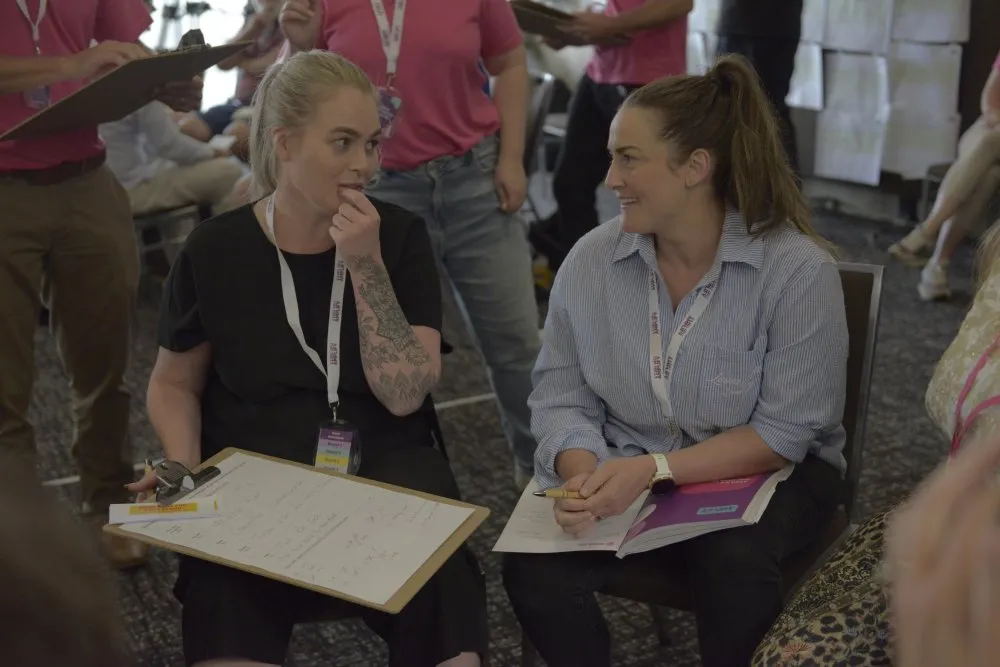
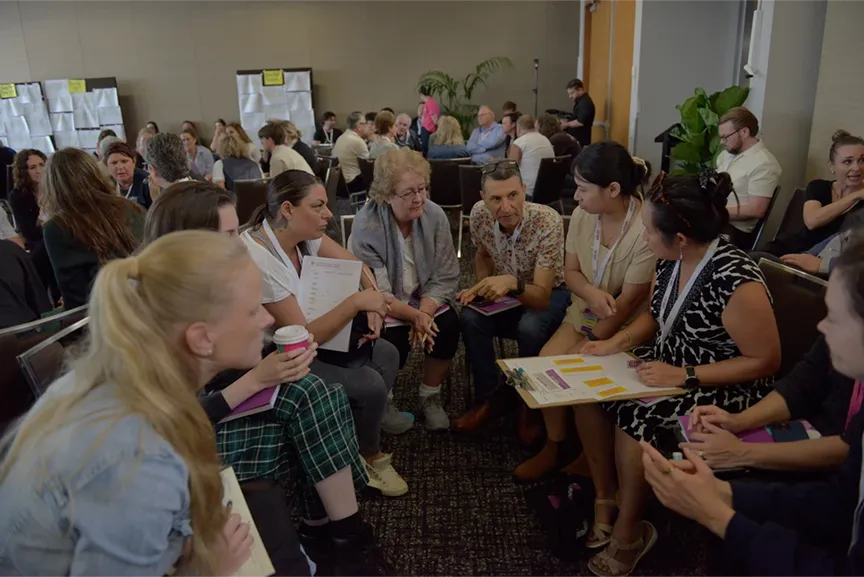
Every generation was represented — from Baby Boomers to Gen Z. Every housing experience — from homeowners and renters to those who had faced homelessness. A full mix of political views, incomes, and life stories.
The group engaged with policy experts, watched proponents and challengers debate, and deliberated with one another. Support was measured using a pre-post poll structure, allowing us to understand how views shifted.

Faced with tough choices and armed with expert input, participants tackled tough choices and found common ground. Across generations, political views and lived-experience, participants genuinely heard one another
From 13 proposals, the group identified five top-priority reforms. These are the foundation of AMPLIFY’s advocacy.

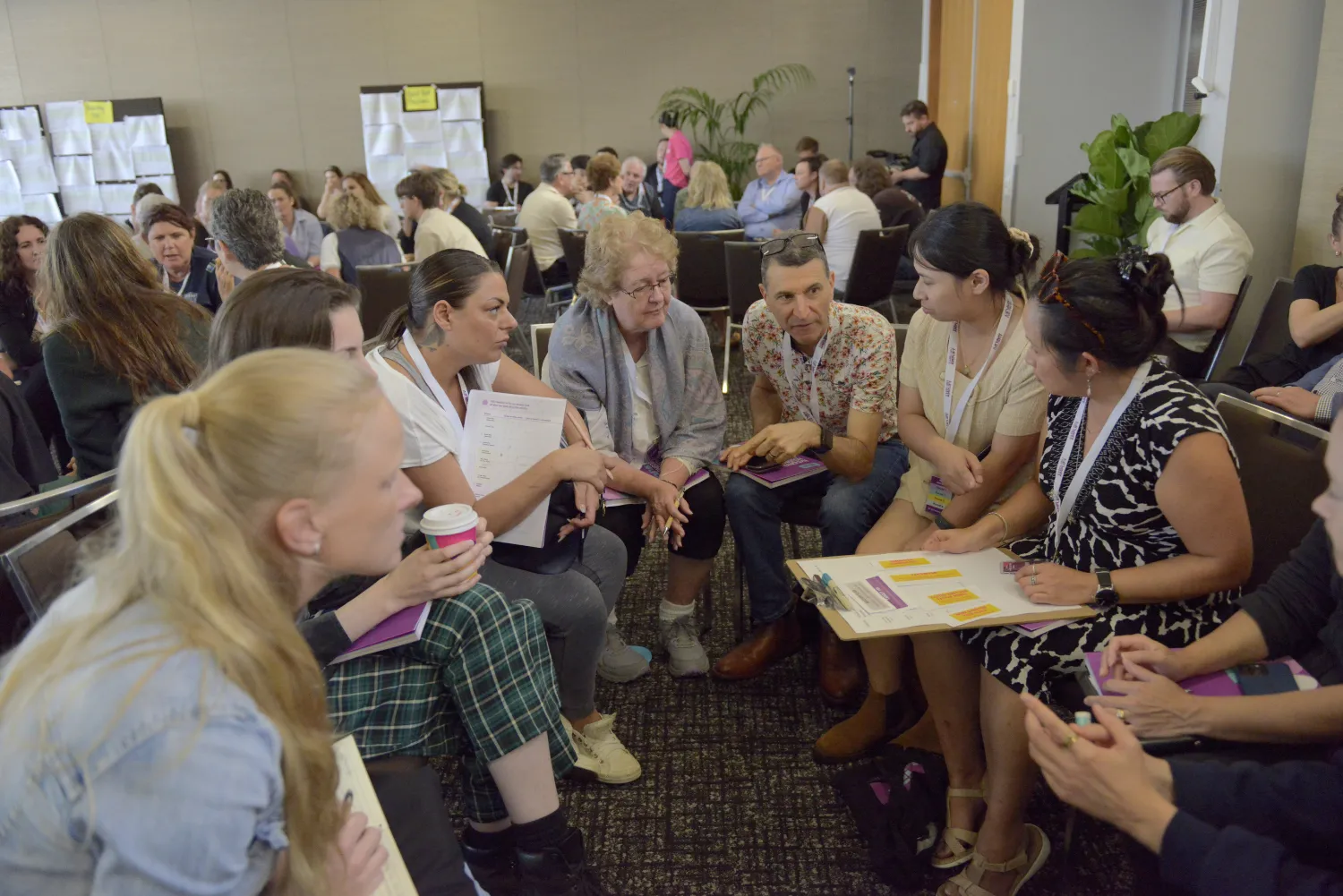
When a representative group of Australians spent time listening, learning and deliberating on the merits of a wide range of reforms, the effect was clear: perspectives broadened, trust grew and consensus was found.
Even proposals that seemed simple at first revealed trade-offs and competing perspectives. But rather than becoming discouraged, participants left the process energised, motivated to keep engaging and advocating for housing reform. Open, respectful deliberation proved not only possible, but critical to lasting reform.

The outcomes of the AMPLIFICATION are the foundation of our housing campaign, from how we engage the community to the reforms we advocate for.
We're continuing to build on this process, evolving how we use deliberative and participatory tools to bring community, experts and decision-makers together. There is so much more to do, and there will be many more opportunities to get involved.
Fighting for more ambitious housing reform
Australians are facing a national housing crisis. In our National AMPLIFICATION on Housing, we uncovered the unexpected common ground that the majority of Australians could get behind. Armed with these community-backed policies, clear recommendations, and a growing coalition of Australians calling for change, we’re fighting for bigger, bolder action on housing to restore the promise of safe, affordable housing for all Australians.
Modern methods of construction
96% of AMPLIFICATION participants back utilising modern methods of construction like prefab construction to build more homes more efficiently.
Unlocking Density
94% of AMPLIFICATION participants back increasing supply housing density in our major cities, unlocking more housing in the places people want to live – near jobs, schools and transport.